Even with excellent brushing and flossing habits, plaque can accumulate in areas that are difficult to clean and eventually harden into tartar. Unlike plaque, tartar cannot be removed at home and requires professional dental instruments. Regular cleaning helps prevent cavities, gum inflammation, bad breath, and more complex dental problems.
A preventive dental visit is one of the simplest ways to protect your oral health. By identifying small issues early, we can often provide simpler, more comfortable, and more cost-effective treatment options.
What to Expect at Your Appointment
A typical cleaning and examination appointment takes 45 to 60 minutes. We begin by reviewing your medical and dental history, followed by a detailed assessment of your teeth, gums, and overall oral health.
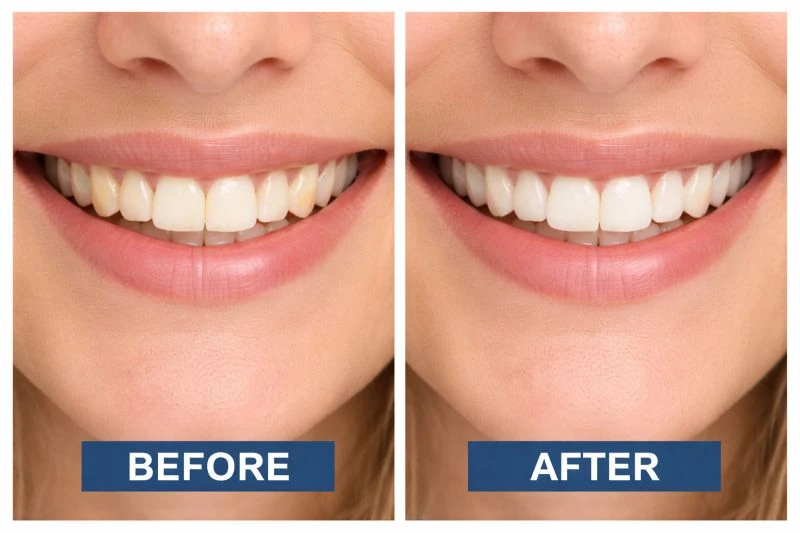
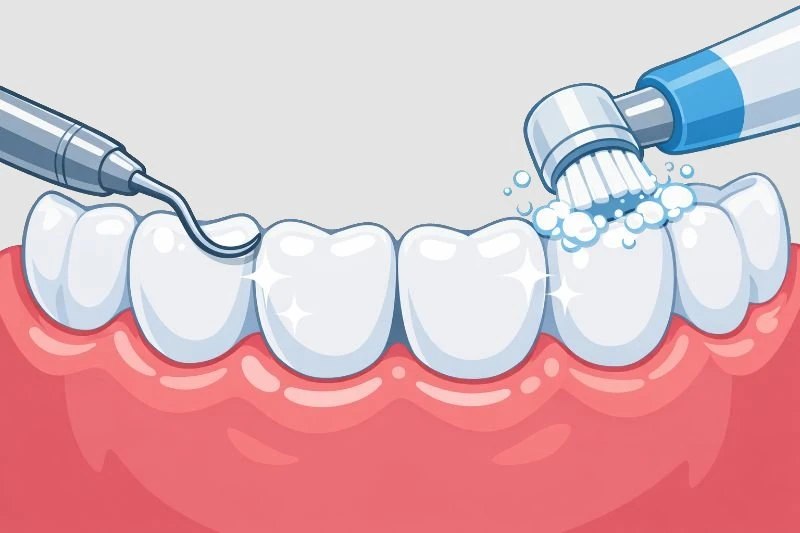
Digital X-rays may be recommended when needed to check areas that cannot be seen during a visual examination. Our dental team then removes plaque and tartar buildup through professional scaling, followed by polishing to remove surface stains and leave your teeth feeling smooth and refreshed.
Your dentist will complete a comprehensive examination, discuss any findings, and provide personalised recommendations to maintain or improve your oral health.
New Patient Examination
For new patients, the first visit includes a detailed assessment of your current dental condition. This may include digital imaging, gum health evaluation, bite assessment, and a personalised treatment plan if any concerns are identified.
Our approach focuses on helping you understand your oral health clearly, allowing you to make informed decisions about your care.
Preventive Dental Care
Routine cleaning and examinations are generally recommended every six months, although the ideal frequency depends on your individual oral health needs. Patients with a history of gum disease, frequent cavities, or specific dental conditions may benefit from more frequent visits.
Consistent preventive care helps preserve natural teeth, maintain healthy gums, and reduce the need for more extensive dental procedures in the future.