Reaching 60 and beyond brings many positive changes — more life experience, more memories, and often a greater focus on maintaining long-term health. Your oral health deserves the same attention.
While your teeth and gums naturally change over time, aging does not mean accepting tooth loss or dental problems as inevitable. With thoughtful prevention, regular monitoring, and personalized care, many patients maintain strong, healthy smiles well into their 80s and 90s.
At Sanctum, we believe dental care should evolve with you. Your needs at 60, 70, and beyond may be different from earlier stages of life — and your dental plan should reflect those changes.
How Your Smile Changes Over Time
Teeth may become more vulnerable to wear and fracture.
After decades of chewing and daily use, teeth naturally experience changes. Enamel can become thinner, existing restorations may begin to age, and teeth may become more susceptible to cracks or fractures.
Regular examinations allow your dentist to identify early signs of wear and recommend simple, proactive solutions before small concerns become larger problems.
Teeth may naturally appear darker.
Many patients notice their teeth becoming less bright over time. This is often not just surface staining — the inner tooth structure (dentin) naturally becomes darker with age.
Professional whitening, cosmetic bonding, veneers, or other aesthetic treatments can be considered depending on your goals and the condition of your teeth.
Gum recession can expose sensitive areas.
Over time, gum tissue may gradually recede, exposing the root surfaces of teeth. Unlike enamel, these surfaces are softer and more vulnerable to sensitivity and decay.
A personalized hygiene routine, fluoride support, and regular professional cleanings help protect these areas and maintain gum health.
Dry mouth becomes more common.
Many older adults experience reduced saliva flow, often related to medications rather than aging itself. Saliva plays an important role in protecting teeth by neutralizing acids and helping maintain a healthy oral environment.
If you experience dry mouth, your dental team can recommend strategies to improve comfort and reduce your risk of cavities.
Protecting Against Root Decay
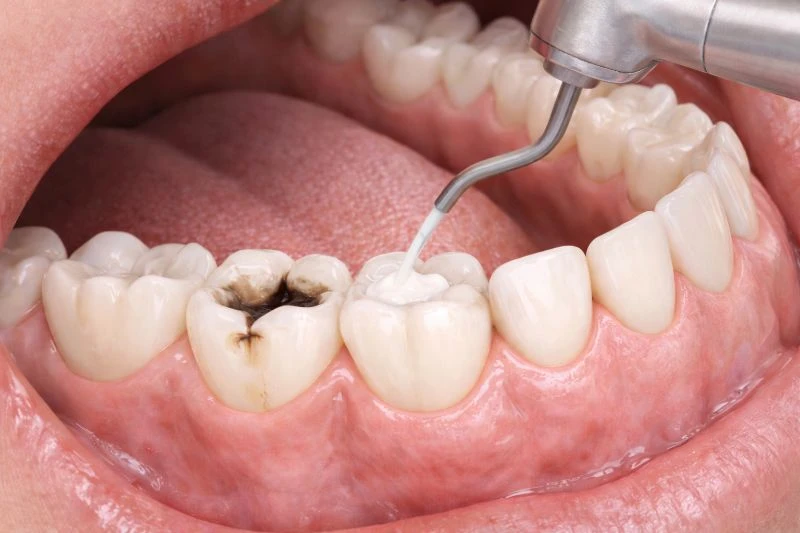
One of the most common dental concerns after 60 is decay that develops on exposed root surfaces.
When gums recede, areas of the tooth that were previously protected become easier for bacteria and acids to affect. The good news is that this risk can be managed effectively with the right preventive approach.
Helpful strategies include:
- Using fluoride toothpaste recommended for your individual risk level
- Maintaining regular professional cleanings
- Addressing dry mouth symptoms early
- Improving daily brushing and flossing techniques around exposed root areas
- Using additional preventive treatments when appropriate
The goal is not simply to treat cavities when they appear — it is to create an environment where they are less likely to develop.
Maintaining Healthy Gums for Life
Healthy gums provide the foundation for a stable smile at every age.
Patients with a history of gum disease may benefit from more frequent maintenance visits to monitor gum health, remove bacterial buildup, and protect the supporting bone around the teeth.
Your dental team can track changes over time and adjust your care schedule based on your individual needs rather than relying on a one-size-fits-all approach.
The Importance of Regular Oral Cancer Screenings
Routine dental visits provide an opportunity to monitor not only teeth and gums, but the overall health of your mouth.
During comprehensive examinations, your dentist evaluates the soft tissues of the mouth and looks for changes that may require further attention. Early evaluation of unusual areas helps ensure that any concerns are addressed promptly.
A consistent dental care routine provides reassurance and allows your care team to stay ahead of potential problems.
Dentures, Implants, and Restoring Confidence
Many patients who wear dentures notice changes in fit over time. The jaw naturally changes after tooth loss, which can affect comfort, chewing ability, and stability.
Modern options can significantly improve daily function:
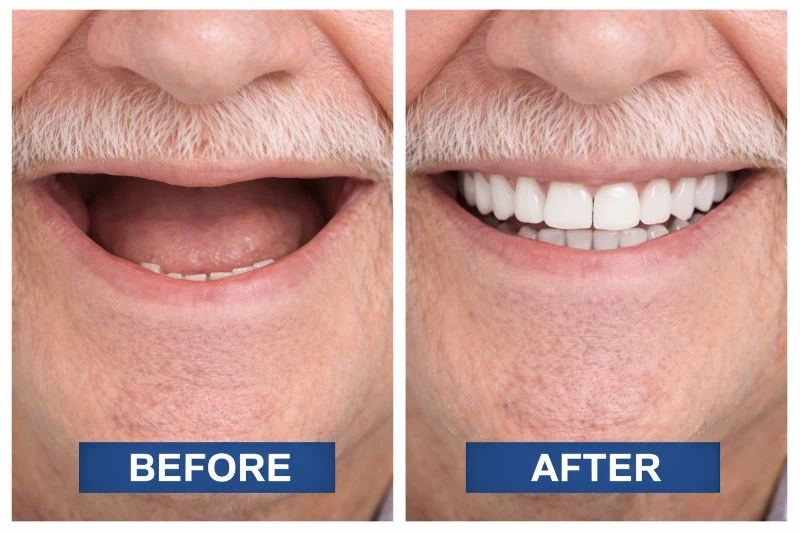
Improved dentures can restore appearance and comfort with updated materials and better fit.
Implant-supported dentures provide additional stability by anchoring the denture to dental implants, reducing movement and improving confidence while eating and speaking.
Dental implants may also be an excellent option for healthy older adults who are missing individual teeth or considering alternatives to traditional restorations.
Age alone does not determine candidacy for treatment. Your overall health, bone condition, and personal goals are the most important factors when planning care.
How Medications Can Affect Your Smile
Many medications support better overall health but may influence oral health in different ways.
Some medications can contribute to dry mouth, changes in gum tissue, or increased sensitivity. Others may affect how your dentist plans certain procedures.
Keeping your dental team updated with your current medications — including supplements and over-the-counter products — allows us to create safer, more personalized treatment plans.
Creating Your Long-Term Dental Health Plan
A strong oral health plan after 60 focuses on prevention, monitoring, and maintaining comfort.
Important habits include:
- Regular dental examinations based on your individual needs
- Professional cleanings to maintain healthy gums and teeth
- Fluoride protection when recommended
- Monitoring existing fillings, crowns, and restorations
- Discussing tooth replacement options early when teeth are missing
- Sharing changes in medications or overall health with your dental team
Your Smile Can Stay Strong at Every Age
Aging brings change, but it does not mean giving up the confidence of a healthy smile.
The patients who maintain excellent oral health over the long term are often those who take a proactive approach — staying informed, attending regular visits, and addressing small changes before they become larger concerns.
At Sanctum, our goal is to make dental care feel effortless at every stage of life. Through thoughtful planning, advanced treatment options, and a personalized approach, we help you protect not only your smile, but the confidence that comes with it.