Pregnancy is a time of remarkable change, and your oral health is part of that journey. Hormonal shifts, changes in eating habits, morning sickness, and increased sensitivity can all influence your teeth and gums during pregnancy.
With the right approach, most dental care can be performed safely and comfortably throughout pregnancy. Regular dental visits are not something to postpone — they are an important part of maintaining your overall health and preparing for this new chapter.
At Sanctum, we tailor every visit around your stage of pregnancy, your comfort, and your individual needs — helping you feel informed, relaxed, and confident in your care.
How Pregnancy Changes Your Oral Health
Every pregnancy is different, but several common changes can affect your smile.
Pregnancy gingivitis.
Hormonal changes can increase blood flow to the gums and make them more sensitive to plaque. This may lead to redness, swelling, or bleeding when brushing. Pregnancy gingivitis is common and usually improves with consistent professional care and excellent home hygiene.
Regular cleanings and gentle monitoring help keep your gums healthy throughout pregnancy.
Morning sickness and enamel protection.
Frequent nausea or vomiting can expose teeth to stomach acid, which temporarily softens enamel. Many people instinctively brush immediately afterward, but waiting a short time allows enamel to naturally recover.
After vomiting, rinse your mouth with water or a gentle baking soda rinse, then wait around 30 minutes before brushing.
Changes in eating habits.
Pregnancy cravings and more frequent snacking can increase exposure to sugars and carbohydrates. A few simple adjustments — drinking more water, maintaining fluoride use, and keeping regular dental visits — can help protect your teeth.
Pregnancy-related gum changes.
Some patients develop small areas of extra gum tissue called pregnancy granulomas. Despite the name, these are harmless growths that often resolve naturally after delivery. Your dentist can monitor them and recommend treatment only if needed.
Is Dental Treatment Safe During Pregnancy?
Yes. Most routine and necessary dental treatments can be safely provided during pregnancy.
The second trimester (approximately weeks 14–28) is often the most comfortable time for planned dental care. However, if you experience pain, infection, or another urgent dental concern, treatment should not be delayed simply because you are pregnant.
Maintaining your oral health supports your comfort and helps prevent small concerns from becoming more complex.
Dental X-Rays During Pregnancy
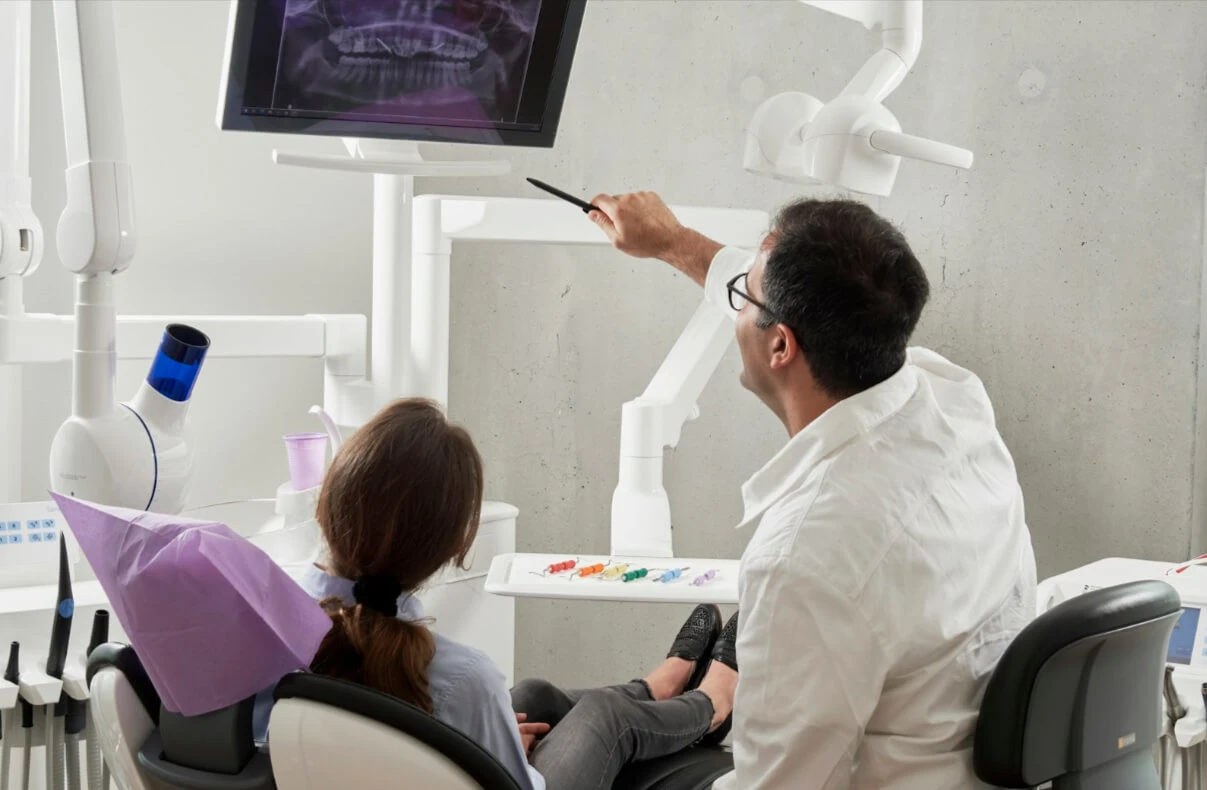
Modern dental X-rays use very low radiation levels and are considered safe when clinically necessary. Digital imaging, combined with appropriate protective measures, allows dentists to diagnose problems accurately while keeping exposure extremely low.
Accurate diagnosis allows us to provide the right treatment at the right time — rather than guessing or delaying care.
Local Anesthesia and Dental Procedures
Local anesthesia commonly used in dentistry can be safely administered during pregnancy when needed. Your dentist will always consider your health history, stage of pregnancy, and any recommendations from your obstetric provider when planning treatment.
Procedures such as:
- Professional cleanings
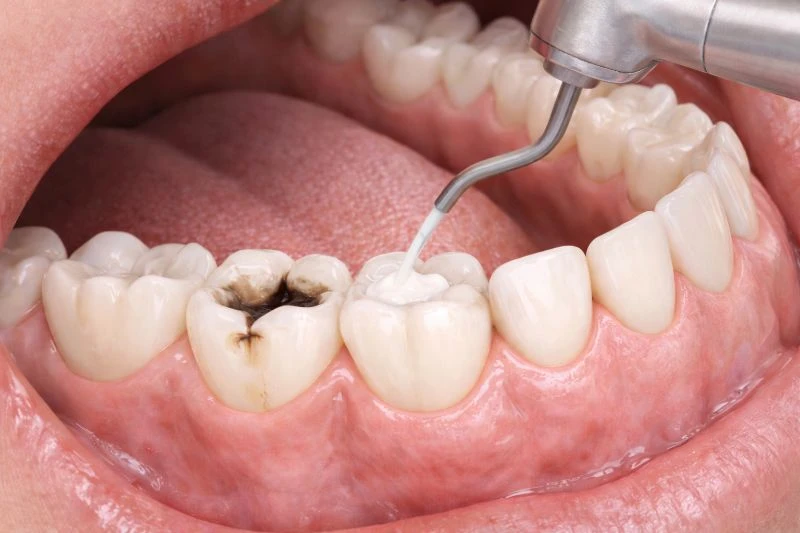
- Fillings
- Treatment for gum disease
- Emergency dental care
- Necessary restorative procedures
can often be completed safely with appropriate planning.
Treatments Usually Planned for After Pregnancy
Some elective treatments are typically scheduled after delivery simply for convenience and comfort rather than because they are unsafe.
These may include:
- Cosmetic whitening
- Elective smile enhancements
- Non-urgent aesthetic procedures
If you are considering cosmetic dentistry after pregnancy, your dentist can help you create a personalized plan that begins when the timing is right.
Your Pregnancy Dental Care Plan
A simple preventive routine can make a significant difference during pregnancy:
1. Schedule a dental checkup
Ideally, visit your dentist before pregnancy or early during pregnancy to establish a healthy foundation and identify anything that needs attention.
2. Maintain daily care
Continue brushing twice daily with fluoride toothpaste and cleaning between your teeth every day. If pregnancy-related nausea makes brushing difficult, your dental team can recommend practical alternatives.
3. Stay hydrated
Water helps support saliva production, which naturally protects teeth by balancing acids and helping maintain enamel strength.
4. Keep your dental team informed
Always share your pregnancy status, medications, and any changes in your health. This allows your dentist to personalize every aspect of your care.
Supporting Your Health Beyond Your Smile
Your mouth is closely connected to the rest of your body. Healthy gums, comfortable teeth, and consistent preventive care all contribute to your overall wellbeing during pregnancy.
At Sanctum, our goal is to make dental care feel simple and reassuring during every stage of life. Whether you need a routine cleaning, guidance for pregnancy-related changes, or treatment planning, we coordinate your care around what matters most — your comfort, your health, and your confidence.
A healthy smile is part of a healthy pregnancy journey.