Dental emergencies rarely happen at convenient times. A sports injury, a sudden toothache, or a broken restoration can occur during a busy week, while traveling, or outside normal office hours.
The good news is that the first steps you take can make a meaningful difference.
Modern emergency dentistry focuses on protecting your comfort, preserving your natural teeth whenever possible, and creating a clear path back to a healthy smile. This guide explains what to do during the first hour of some of the most common dental emergencies.
A Knocked-Out Permanent Tooth
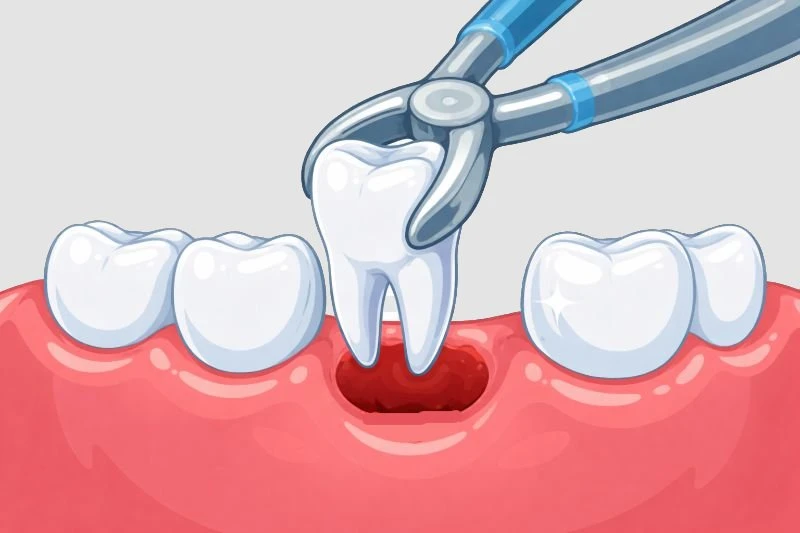
A completely knocked-out permanent tooth (also called an avulsed tooth) is one of the most time-sensitive dental situations. Acting quickly gives the tooth the best opportunity for successful treatment.
The goal is to protect the delicate cells on the root surface and get professional care as soon as possible.
What to do immediately:
- Pick up the tooth by the crown — the visible white portion — and avoid touching the root.
- If the tooth is dirty, gently rinse it with clean water for a few seconds. Do not scrub it or remove any attached tissue.
- If possible, carefully place the tooth back into its socket. Hold it gently in position with clean gauze or a cloth.
- If reinsertion is not possible, place the tooth in cold milk to keep it protected during transport. Avoid storing it in water.
- Contact a dental office immediately for urgent evaluation.
For a knocked-out baby tooth, do not attempt to place it back into the socket. Contact your dentist for guidance, as treatment recommendations are different for developing permanent teeth.
Cracked or Broken Teeth
A cracked tooth can range from a small surface line to a more significant fracture. The right treatment depends on the location and depth of the crack.
Common types of tooth fractures include:
Minor enamel cracks. Small surface lines are common and often require only monitoring unless symptoms develop.
Broken tooth corners or cusps. A piece of the chewing surface may break away. These teeth should be evaluated before the remaining structure becomes weakened.
Deep tooth cracks. Cracks that extend toward the nerve may cause sharp pain when biting, temperature sensitivity, or intermittent discomfort. Early treatment can often protect the tooth with a restoration such as a crown.
Severe fractures. If a tooth splits completely, more advanced treatment may be necessary depending on the location of the fracture.
Until you are seen:
- Avoid chewing on the affected side
- Rinse gently with warm water
- Use appropriate over-the-counter pain relief if needed and safe for you
- Schedule an evaluation as soon as possible
A cracked tooth may feel manageable at first, but early assessment gives you the best chance of preserving the natural tooth.
Sudden Tooth Pain
A severe toothache is your body’s way of signaling that something needs attention. Pain that interferes with eating, sleeping, or daily activities should be evaluated promptly.
Common causes include:
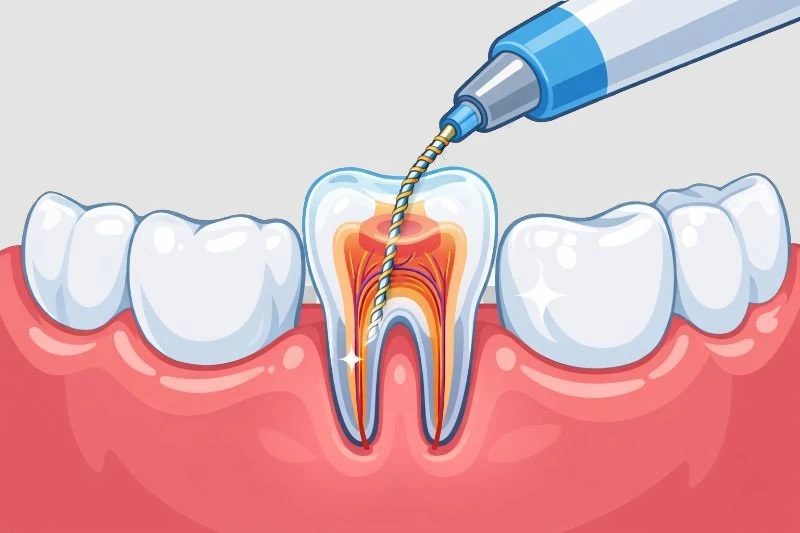
- Deep tooth decay affecting the inner nerve
- Infection around the tooth
- A tooth fracture
- Inflammation inside the tooth
While arranging care:
- Rinse gently with warm salt water
- Use over-the-counter pain medication if appropriate for your health history
- Keep the area clean with gentle brushing
- Avoid placing aspirin directly on the gums, as it can irritate soft tissue
If you experience facial swelling, swelling near the eye or neck, difficulty swallowing, or difficulty breathing, seek emergency medical attention immediately.
Lost Crown or Filling
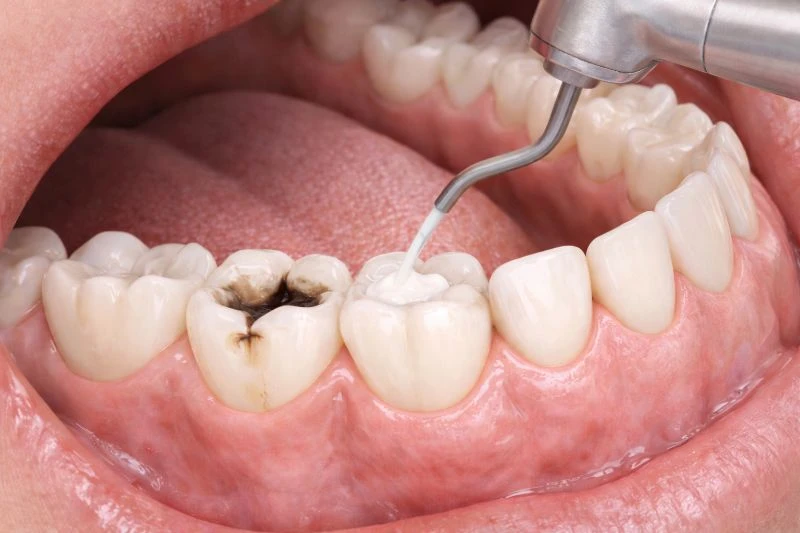
A lost crown or filling does not always require emergency treatment, but it should not be ignored.
When a restoration comes loose, the underlying tooth may become sensitive and more vulnerable to damage.
What you can do:
- Keep the restoration if you still have it
- Avoid chewing on that side
- Keep the area clean
- Contact your dental office to arrange a repair appointment
If a crown has come off intact, your dental team can advise whether temporary protection is appropriate while you wait for your appointment. Avoid using household adhesives such as super glue.
Injuries to the Lips, Tongue, or Cheeks
Soft tissue injuries can appear alarming because mouth tissues contain many blood vessels, but most can be managed with simple first aid.
Steps to take:
- Apply firm pressure with clean gauze or cloth
- Hold pressure continuously for 10–15 minutes
- Apply a cold compress externally to reduce swelling
Seek urgent medical attention if bleeding does not slow, the injury is deep, or the tissue has separated significantly.
Orthodontic Discomfort and Broken Appliances
Some orthodontic issues feel urgent but can usually wait for the next available appointment.
Poking wire:
Use orthodontic wax to cover the irritating area. A clean pencil eraser can sometimes gently move a wire away from the cheek or gum.
Loose bracket:
Avoid pulling on the bracket. Protect the area with wax and contact your orthodontic provider for guidance.
The exception is when an orthodontic appliance causes significant injury or uncontrolled bleeding.
Creating a Plan Before an Emergency Happens
The easiest dental emergency to manage is one you are prepared for.
Keeping your dentist’s contact information available, attending regular preventive appointments, and addressing small concerns early can reduce the likelihood of unexpected urgent situations.
At Sanctum, emergency dental care is designed around two priorities: protecting your health and helping you feel supported when you need it most.
The Most Important Step: Act Early
Whether it is a knocked-out tooth, sudden pain, or a damaged restoration, early professional guidance gives you the widest range of treatment options.
You do not need to know exactly what is wrong before reaching out. Your dental team can evaluate the situation, explain your options, and help you move forward with confidence.