
Dry mouth — clinically known as xerostomia — is a common condition that can affect your comfort, confidence, and long-term oral health. Many people notice symptoms such as a sticky feeling, difficulty speaking, changes in taste, increased thirst, or discomfort while eating.
While occasional dryness is normal, ongoing dry mouth deserves attention because saliva plays a vital role in protecting your teeth and gums. With the right approach, most patients can significantly improve their symptoms and protect their smile for the future.
Why Saliva Matters
Saliva is one of your mouth’s most important natural defense systems. Every day, your salivary glands produce approximately 1 to 1.5 liters of saliva that continuously supports your oral health.
Protecting enamel. After eating, acids from foods and bacteria temporarily soften tooth enamel. Saliva helps neutralize these acids and delivers minerals like calcium and phosphate that support natural enamel repair.
Supporting healthy gums. Saliva helps maintain a balanced oral environment by controlling bacteria and keeping soft tissues comfortable.
Helping with digestion and comfort. Saliva makes chewing, swallowing, speaking, and tasting food easier — all important parts of everyday quality of life.
When saliva production decreases, these protective benefits are reduced. The goal of dry mouth treatment is to restore comfort while strengthening the mouth’s natural defenses.
What Causes Dry Mouth?
Dry mouth can develop for many reasons. Understanding the cause is the first step toward finding the right solution.
Medications
Medications are one of the most common contributors to dry mouth. Hundreds of commonly prescribed medications may reduce saliva production, including some:
- Antihistamines
- Blood pressure medications
- Antidepressants
- Allergy medications
- Certain pain medications
- Medications used for bladder conditions
If you take multiple medications, the combined effect may be more noticeable. Your dentist can help identify possible connections and work alongside your medical providers when adjustments may be appropriate.
Age and Lifestyle Factors
Dry mouth is not simply a result of getting older, but many adults experience it more frequently later in life due to changes in medication use, health conditions, and daily habits.
Factors that may contribute include:
- Not drinking enough water
- High caffeine intake
- Alcohol consumption
- Smoking
- Sleeping with your mouth open
- Nasal congestion or allergies
Health Conditions
Certain medical conditions can also influence saliva production, including:
- Diabetes
- Autoimmune conditions such as Sjögren’s syndrome
- Previous radiation therapy involving the head and neck area
If dry mouth develops suddenly or becomes persistent, it is worth discussing with both your dentist and physician.
How Dry Mouth Affects Your Smile
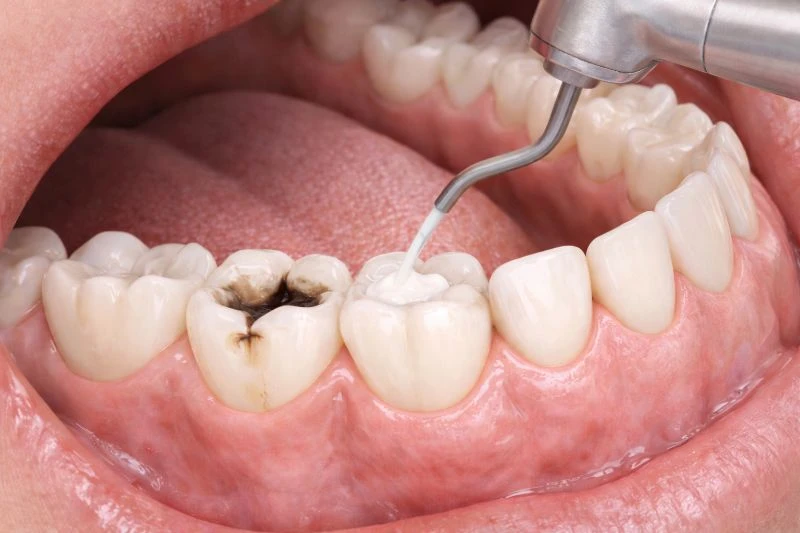
When saliva levels are reduced, teeth may become more vulnerable to cavities, especially around the gumline and exposed root surfaces.
Patients with dry mouth may notice:
- More frequent cavities
- Increased tooth sensitivity
- Difficulty wearing dentures comfortably
- Changes in taste
- Persistent mouth discomfort
- Greater plaque buildup
The good news is that early attention and a personalized prevention plan can make a significant difference.
Simple Daily Strategies That Help
Small changes can provide meaningful improvement.
Stay Hydrated Throughout the Day
Regular water intake helps maintain moisture levels. Instead of drinking large amounts only at meals, many patients benefit from sipping water consistently throughout the day.
Stimulate Natural Saliva Flow
Sugar-free chewing gum or xylitol-containing mints can encourage saliva production while supporting cavity prevention.
Choose Products Designed for Dry Mouth
Specially formulated products can provide additional comfort, including:
- Dry mouth moisturizing gels
- Alcohol-free mouth rinses
- Saliva-supporting lozenges
These products do not replace natural saliva, but they can improve daily comfort and function.
Strengthen Teeth With Fluoride
Because saliva naturally helps remineralize enamel, patients with persistent dry mouth may benefit from additional fluoride support. Prescription-strength fluoride toothpaste may be recommended for patients with increased cavity risk.
Your dentist can determine whether additional fluoride protection is appropriate based on your individual needs.
Professional Care for Dry Mouth Management
At Sanctum, dry mouth care focuses on understanding the reason behind the symptoms and creating a prevention plan around your lifestyle, health history, and goals.
Your visit may include:
- Reviewing medications and contributing factors
- Evaluating cavity and gum health risks
- Creating a personalized fluoride strategy
- Recommending products that fit your routine
- Adjusting cleaning and examination frequency when needed
The goal is not simply to manage symptoms — it is to help you maintain a comfortable, healthy smile for years to come.
When Should You Mention Dry Mouth?
Many patients assume dry mouth is something they simply have to live with. It is not.
Mention it during your dental visits if you notice:
- Frequent thirst
- Difficulty swallowing dry foods
- Increased cavities
- Mouth soreness
- Changes after starting a new medication
- Dryness that affects sleep or daily comfort
Identifying dry mouth early allows your dental team to protect your teeth before problems develop.
A Comfortable Smile Starts With Understanding Your Oral Health
Dry mouth is common, manageable, and worth addressing. With the right combination of daily habits, professional guidance, and preventive care, you can protect your teeth, improve comfort, and maintain confidence in your smile.
The best dental care is not only about treating problems when they appear — it is about creating the conditions for long-term oral health.