Wisdom teeth — also called third molars — are some of the most commonly discussed teeth in dentistry. For many patients, the question is simple: if they do not hurt, do they really need to be removed?
The answer is not always yes or no.
The right approach depends on several factors, including how the teeth are positioned, whether they can be properly cleaned, their effect on surrounding teeth, and what your dental imaging reveals.
Modern dentistry is focused on making decisions based on your individual needs — preserving healthy teeth when possible and addressing potential problems before they become more complex.
Why Wisdom Teeth Often Need Attention
Wisdom teeth typically appear between the ages of 17 and 25. Over time, changes in jaw size and tooth development have meant that many people do not have enough space for these additional molars to fully emerge.
When a wisdom tooth cannot fully come into position, it is called impacted.
Impacted wisdom teeth may be:
- Partially erupted through the gum
- Completely covered by gum tissue or bone
- Angled toward neighboring teeth
- Positioned in a way that makes cleaning difficult
A dental examination and panoramic X-ray allow your dentist to understand exactly how your wisdom teeth are developing and whether they may affect your long-term oral health.
When Wisdom Tooth Removal May Be Recommended
Preventing Recurring Gum Infections
Partially erupted wisdom teeth can create small spaces between the tooth and gum where food particles and bacteria collect.
Because these areas can be difficult to clean, some patients experience repeated inflammation or infection around the tooth, known as pericoronitis.
Removing the problematic tooth can eliminate the source of recurring discomfort and help maintain healthier surrounding tissues.
Protecting Nearby Teeth
A wisdom tooth that grows at an angle may place pressure on the second molar next to it.
In some cases, this positioning can contribute to:
- Difficulty cleaning the area
- Increased cavity risk
- Damage to the neighboring tooth structure
Early evaluation allows your dentist to identify these concerns before they compromise another healthy tooth.
Managing Decay
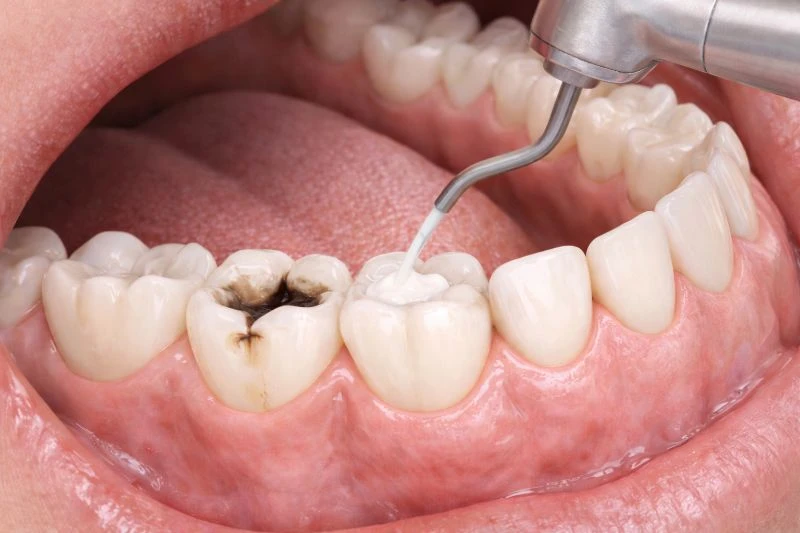
Wisdom teeth are located at the very back of the mouth, making them challenging to brush and floss effectively.
If a wisdom tooth develops decay or repeatedly traps bacteria, removal may be the most predictable way to protect your overall oral health.
Addressing Cysts or Other Changes
Although uncommon, impacted wisdom teeth can sometimes be associated with cyst formation or changes within the surrounding jawbone.
Routine dental imaging helps identify these concerns early, when treatment is typically simpler and more predictable.
When Wisdom Teeth May Not Need Removal
Not every wisdom tooth requires extraction.
Keeping wisdom teeth may be appropriate when they are:
- Fully erupted
- Positioned correctly
- Easy to clean
- Healthy and free from decay
- Supporting a functional bite
A healthy wisdom tooth is still a natural tooth, and preserving it can be the right choice.
For some patients with deeply impacted wisdom teeth that show no signs of disease, careful monitoring may be a suitable approach. Regular examinations and imaging allow your dental team to ensure the tooth remains stable.
Why Timing Matters
Wisdom tooth removal is often considered during the late teenage years or early adulthood because healing is generally faster and the procedure may be simpler when roots are not fully developed.
However, age alone does not determine whether removal is needed.
The most important factors are:
- Tooth position
- Root development
- Relationship to nearby nerves
- Overall oral health
- Presence or risk of future problems
A personalized evaluation provides the clearest answer.
The Wisdom Tooth Evaluation Experience
Before recommending removal, your dentist will carefully review:
- Your dental history
- A clinical examination
- Panoramic or 3D imaging when needed
- The position of the wisdom teeth
- The condition of nearby teeth and bone
This allows you to understand your options clearly and make an informed decision.
What to Expect During Wisdom Tooth Removal
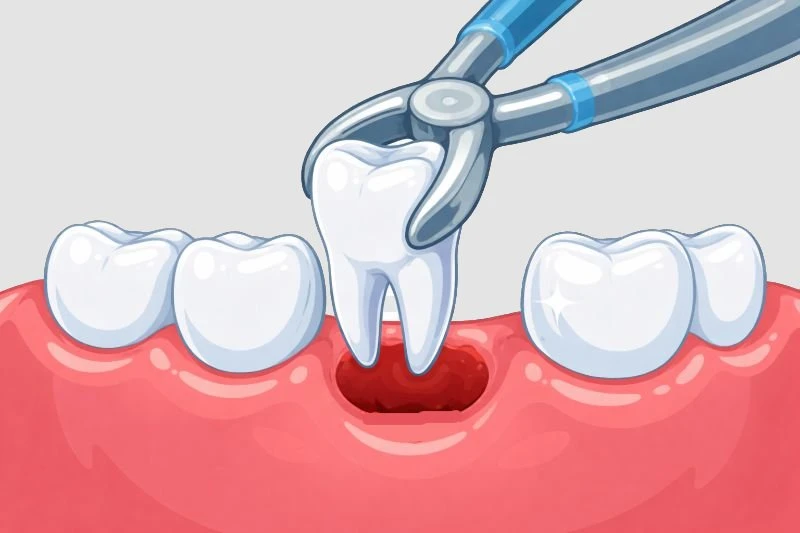
Wisdom tooth extraction is one of the most common oral surgery procedures performed today.
Depending on your situation, treatment may involve:
- Local anesthesia to keep you comfortable
- Sedation options for a more relaxed experience
- Careful removal using techniques suited to your tooth position
- Clear aftercare guidance to support healing
Most patients experience some swelling and tenderness for several days afterward, which can usually be managed with recommended pain relief, cold compresses, and a temporary soft-food diet.
Your dentist or oral surgeon will also explain how to support healing and reduce the risk of complications.
Making the Right Decision for Your Smile
The best wisdom tooth plan is not based on fear or routine — it is based on your individual oral health.
Some patients benefit from early removal to protect surrounding teeth. Others can safely keep their wisdom teeth with regular monitoring.
The goal is always the same: preserve your oral health, prevent avoidable problems, and create a treatment plan that supports your smile for the long term.
A simple evaluation today can provide clarity and help you make the right decision with confidence.