When a tooth becomes damaged or infected, the goal of modern dentistry is always the same: preserve your natural smile whenever possible.
Root canal treatment is one of the most successful procedures available for saving a tooth that has developed problems inside its inner nerve tissue. Despite its reputation, the treatment itself is not something to fear — for most patients, it is comparable in comfort to receiving a routine filling.
The important step is recognizing when a tooth may need attention. Early evaluation allows your dentist to protect the tooth, relieve discomfort, and create the best possible outcome.
Understanding When a Tooth May Need Root Canal Treatment
Inside every tooth is a small space called the pulp chamber, which contains nerves and blood vessels that help the tooth develop. Once a tooth is fully formed, it can continue functioning without this internal tissue — but when the pulp becomes inflamed or infected, treatment may be needed to preserve the surrounding tooth structure.
Here are some signs that your tooth may benefit from evaluation.
1. Ongoing Tooth Pain or Pressure
A tooth that develops deep, persistent discomfort — especially pain that feels throbbing, worsens when biting, or interrupts sleep — may be showing signs that the inner tissues are irritated or infected.
Unlike ordinary sensitivity, this type of discomfort often feels deeper and may radiate toward the jaw, ear, or surrounding areas.
A timely examination helps determine whether the tooth can be restored with a simple treatment or whether root canal therapy is the best option.
2. Sensitivity That Lingers After Hot or Cold Foods
Brief sensitivity to temperature can be normal. However, discomfort that continues for more than a few seconds after the source is removed may indicate that the nerve inside the tooth is under stress.
Your dentist can assess whether the sensitivity is caused by enamel wear, gum recession, a cavity, or changes within the tooth itself.
3. A Tooth That Has Changed Color
A single tooth becoming noticeably darker than surrounding teeth may indicate changes inside the tooth caused by previous trauma, inflammation, or reduced blood supply.
A dental evaluation can determine the cause and whether treatment is needed to protect the tooth and restore its appearance.
4. Gum Tenderness or Swelling Near One Tooth
A small area of swelling, tenderness, or a pimple-like bump on the gum near a tooth may indicate that infection has moved beyond the tooth itself.
Addressing the source early helps prevent discomfort from progressing and gives your dentist the opportunity to preserve as much healthy tooth structure as possible.
5. Discomfort When Chewing
Pain when biting down or releasing pressure can occur when the tissues surrounding the tooth root become irritated.
This may happen when inflammation inside the tooth begins affecting the supporting structures around it. An examination, combined with digital imaging, helps identify the cause and guide treatment.
6. A Cracked or Injured Tooth
Teeth that have experienced trauma, cracks, or significant wear may allow bacteria to reach the inner portion of the tooth.
Not every crack requires root canal treatment, but an evaluation can determine whether the tooth can be repaired with a filling or crown, or whether additional treatment is needed to protect its long-term health.
7. Deep Decay Affecting the Inner Tooth
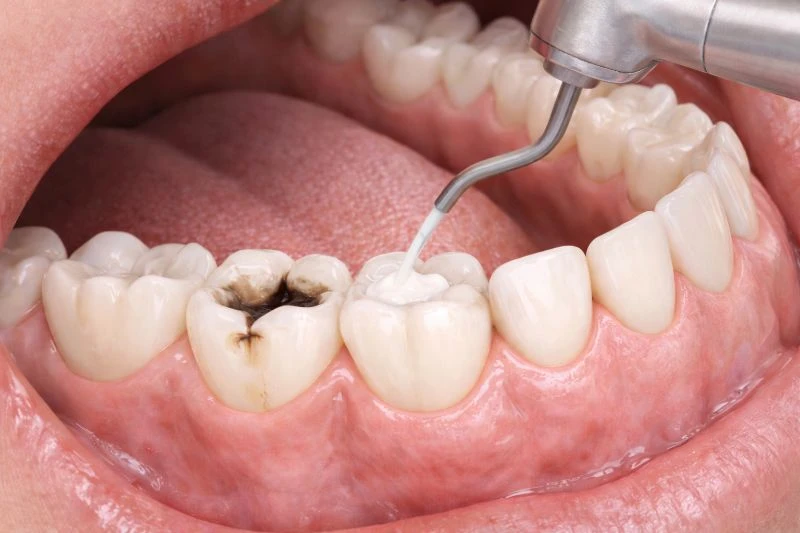
When decay progresses beyond the outer layers of the tooth and reaches the pulp, the tooth may no longer be able to recover with a traditional filling alone.
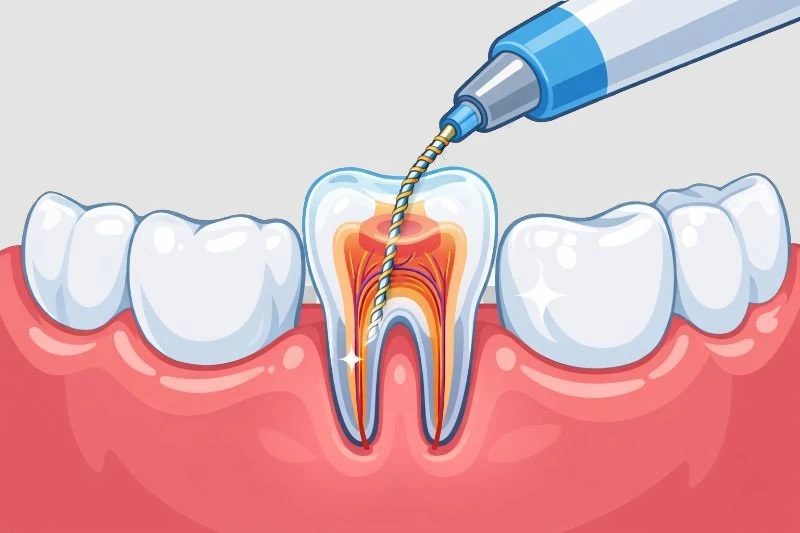
Root canal treatment removes the affected tissue, cleans the internal canals, and allows the tooth to remain in place as part of your natural smile.
The Root Canal Experience: What Patients Can Expect
Modern root canal treatment is designed around comfort, precision, and predictable results.
During treatment, your dentist will:
- Carefully numb the area so you remain comfortable
- Create a small access point in the tooth
- Remove the inflamed or infected tissue
- Clean and shape the root canals
- Seal the tooth to prevent future bacterial contamination
- Restore the tooth with a protective filling or crown
Most patients describe the experience as much easier than they expected. Any tenderness afterward is usually temporary and can typically be managed with common pain-relief options recommended by your dentist.
Why Saving Your Natural Tooth Matters
Whenever possible, preserving your natural tooth provides important long-term benefits:
- Maintains your natural bite and chewing function
- Helps preserve the surrounding jawbone
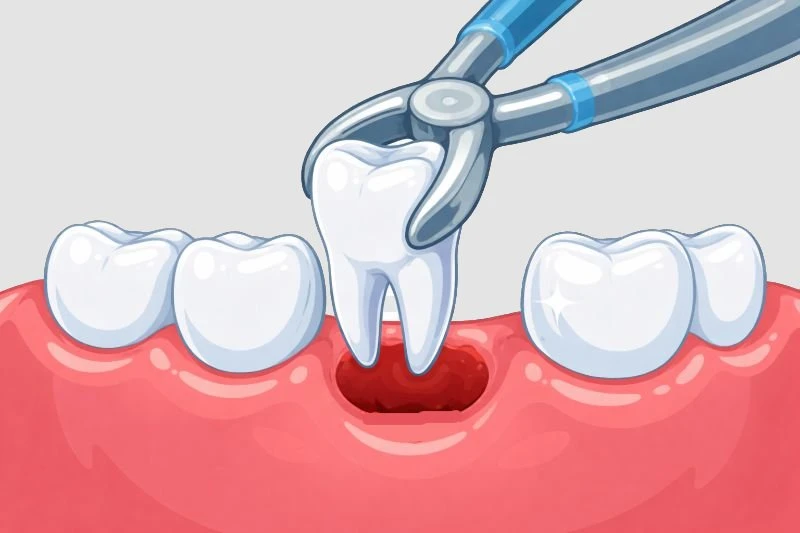
- Avoids the need for tooth replacement procedures
- Allows you to continue enjoying your natural smile
A root canal is not about treating a problem — it is about protecting what can still be saved.
When Should You Schedule an Evaluation?
If you notice persistent discomfort, unusual sensitivity, swelling, or changes in a tooth, an early consultation gives you the widest range of treatment options.
Many patients are surprised to learn that the procedure they were worried about becomes one of the treatments they are most grateful they completed.
With modern techniques, advanced technology, and a patient-focused approach, root canal treatment can help restore comfort, confidence, and long-term oral health while preserving your natural smile.