
Few dental treatments have a reputation as misunderstood as root canal therapy. For many patients, simply hearing the words “root canal” creates uncertainty — often based on experiences from decades ago rather than the comfort-focused care available today.
Modern root canal treatment is a highly predictable procedure designed around one important goal: preserving your natural tooth and restoring comfortable function.
At Sanctum, we combine advanced technology, careful planning, and a patient-first approach to make root canal therapy a calm and straightforward experience.
What Is Root Canal Therapy?
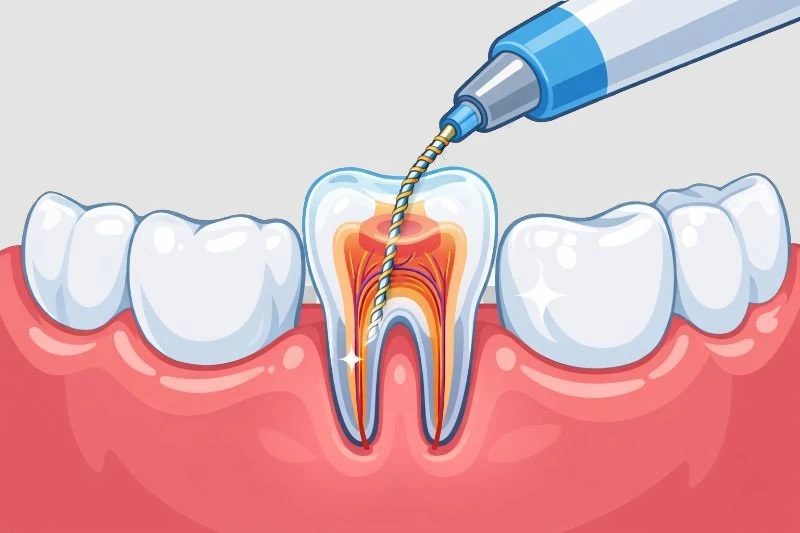
Inside every tooth is a small space containing dental pulp — the tissue made up of nerves and blood vessels that helps form the tooth during development.
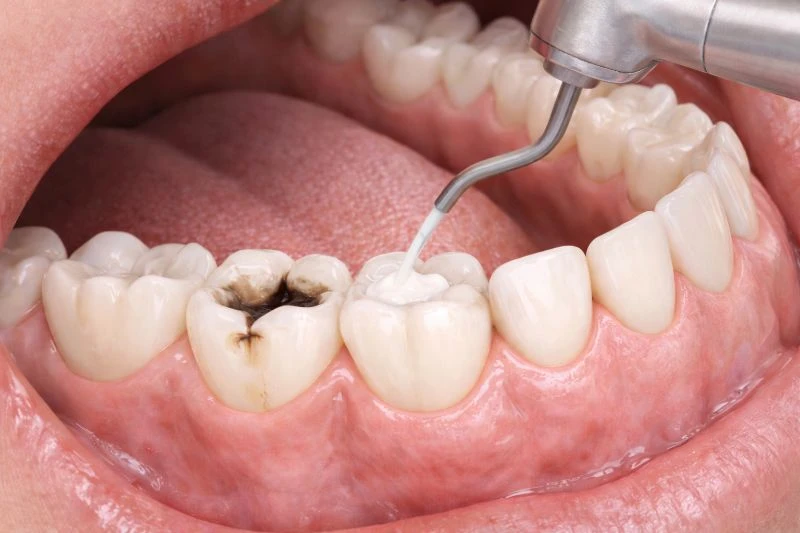
When bacteria reach this inner area through deep decay, cracks, or trauma, the pulp can become inflamed or infected. Once this occurs, the tooth cannot heal on its own.
Root canal therapy removes the damaged tissue, carefully cleans the internal canals, and seals the tooth to prevent further infection.
The result is a restored tooth that can continue functioning naturally for many years.
Myth 1: Root Canal Treatment Is Extremely Uncomfortable
Modern reality: The purpose of a root canal is to relieve the discomfort caused by infection.
Most patients seek treatment because they are already experiencing symptoms such as:
- Persistent toothache
- Sensitivity to hot or cold
- Pressure or tenderness
- Swelling around the tooth
The treatment itself is performed after the area is thoroughly numbed. With modern anesthetic techniques and advanced instruments, most patients describe the experience as similar to receiving a filling.
Some mild tenderness afterward is normal and usually improves within a few days.
Myth 2: Removing the Tooth Is Always Easier
Modern reality: Whenever possible, preserving your natural tooth provides important long-term benefits.
A natural tooth is designed to work with your bite, surrounding teeth, and jawbone. Saving it helps maintain:
- Natural chewing function
- Bite stability
- Jawbone support
- The appearance of your smile
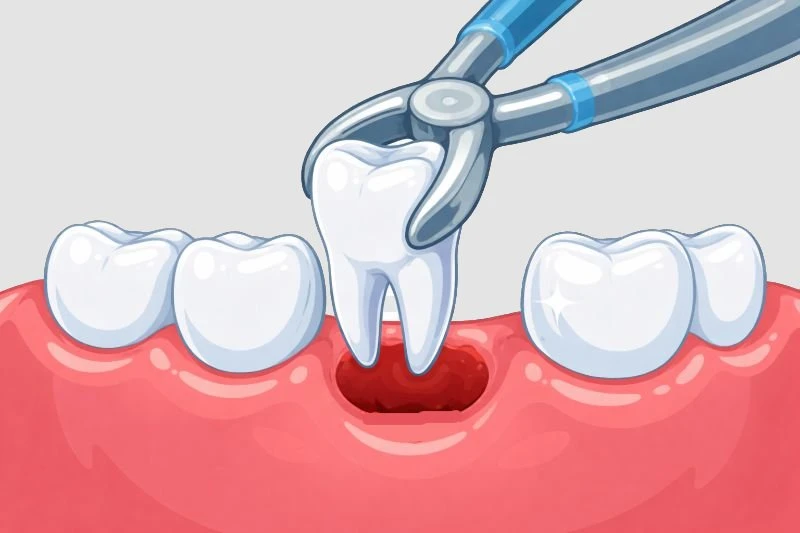
Extraction can sometimes be the right choice when a tooth cannot be predictably restored, but a root canal allows many patients to keep their own tooth rather than replacing it with an artificial option.
Myth 3: A Root Canal Removes the Entire Tooth
Modern reality: Root canal therapy preserves the tooth structure while treating the infected inner tissue.
During treatment, the damaged pulp tissue inside the tooth is removed. The outer structure of the tooth remains in place and continues to function within your smile.
Because root canal-treated teeth can become more vulnerable to fracture, a protective crown is often recommended afterward. This helps restore strength and allows the tooth to provide long-term function.
Myth 4: Root Canal-Treated Teeth Are Harmful to Your Health
Modern reality: Root canal therapy is a well-researched and widely accepted dental treatment.
Root canal treatment has been performed successfully for generations and is supported by extensive scientific research.
The purpose of treatment is to remove infection from inside the tooth, eliminate discomfort, and protect the surrounding tissues.
If you have questions about a recommended procedure, your dentist should always take the time to explain the diagnosis, alternatives, and expected outcome clearly.
Myth 5: If a Tooth Stops Hurting, It No Longer Needs Treatment
Modern reality: Symptoms can change even when an infection remains.
Sometimes an infected tooth becomes less painful because the internal nerve tissue has become severely damaged. This does not necessarily mean the underlying problem has resolved.
Dental infections can continue developing quietly and may only be visible through examination and digital imaging.
This is why professional diagnosis matters — symptoms alone do not always tell the full story.
The Root Canal Experience at Sanctum
Every root canal begins with understanding your specific situation.
Diagnosis and Planning
We use clinical examination, digital imaging, and careful evaluation to determine whether root canal therapy is the right solution for your tooth.
Comfortable Treatment
During the procedure, the tooth is carefully numbed before treatment begins. Advanced instruments allow precise cleaning and shaping of the internal canals while protecting surrounding tooth structure.
The process typically includes:
- Comfort-focused anesthesia
- Accessing the inner tooth chamber
- Removing infected tissue
- Cleaning and disinfecting the canals
- Sealing the tooth
- Planning the final restoration
Restoring Strength and Function
After root canal therapy, the tooth is restored to protect it from future stress. In many cases, a dental crown provides the strength and durability needed for long-term function.
How Long Does Root Canal Treatment Last?
With proper restoration and regular dental care, a root canal-treated tooth can provide many years — often decades — of reliable function.
Long-term success depends on:
- The quality of the final restoration
- Maintaining healthy gums
- Regular dental examinations
- Good daily oral care
A Comfortable Path to Preserving Your Smile
Root canal therapy is not about removing a tooth — it is about saving one.
At Sanctum, we believe dental treatment should feel informed, comfortable, and carefully coordinated. From diagnosis through restoration, we guide you through every stage so you understand what is happening and why.
If you have been recommended root canal therapy, the next step is simply understanding your options and creating a plan that protects your smile for the future.