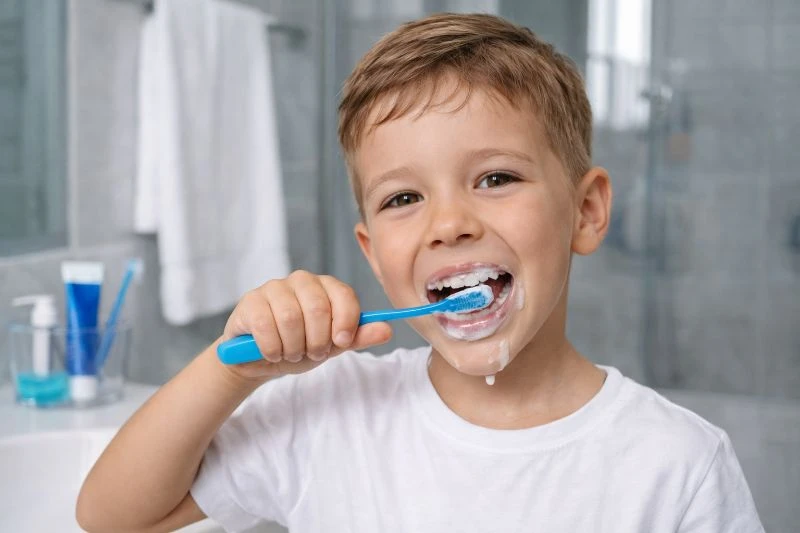
Brushing your teeth is one of the simplest and most important ways to care for your smile. It is a habit built over many years, but even small improvements in technique can make a meaningful difference to your long-term oral health.
A great brushing routine is not about using more pressure or spending more time at the sink. It is about cleaning thoroughly, protecting your gums, and creating consistent habits that support your smile every day.
Here is how to refine your brushing technique for better results.
How Long Should You Brush?
The recommended brushing routine is two minutes, twice a day.
Many people naturally spend less time brushing than they realise, which can make it difficult to clean every surface of every tooth. Dividing your mouth into four sections and spending around 30 seconds on each area helps create a more complete routine.
An electric toothbrush with a built-in timer can make this easier by guiding you through the recommended brushing time. If you prefer a manual toothbrush, occasionally timing your brushing can help you develop a more consistent rhythm.
Technique: Caring for Teeth and Gums Together
Effective brushing is about more than cleaning the visible surfaces of your teeth. The areas where your teeth meet your gums are especially important because plaque naturally collects there.
The Modified Bass Technique is a widely recommended approach that focuses on gentle cleaning along the gumline.
Angle the bristles toward the gumline. Hold your toothbrush at approximately a 45-degree angle so the bristles can reach the areas where plaque tends to build up.
Use gentle, controlled movements. Teeth and gums respond best to consistency rather than force. Light pressure with small circular or vibrating movements helps clean effectively while protecting enamel and gum tissue.
Clean all tooth surfaces. Give attention to the outer surfaces, inner surfaces, and chewing surfaces of every tooth. Areas that receive less attention during daily brushing can benefit from a little extra care.
Include your tongue. Gently brushing your tongue helps reduce bacteria and contributes to a fresher, cleaner feeling.
Choosing the Right Toothbrush
Both manual and electric toothbrushes can support excellent oral health when used correctly.
Electric toothbrushes can be especially helpful because they provide consistent movement, built-in timers, and pressure control features. They can make maintaining a thorough brushing routine easier, particularly for patients who prefer additional guidance.
Manual toothbrushes can also provide excellent results. If you choose a manual brush, select one with soft bristles and focus on gentle technique rather than pressure.
The best toothbrush is the one that fits comfortably into your daily routine and allows you to brush consistently.
How Much Toothpaste Should You Use?
For adults, a pea-sized amount of fluoride toothpaste is generally enough for an effective clean.
The quality of the toothpaste matters more than the quantity. A fluoride toothpaste helps strengthen enamel and supports protection against cavities.
After brushing, spit out the excess toothpaste rather than rinsing extensively with water. This allows a small amount of fluoride to remain on the teeth and continue supporting enamel protection.
Why Night-Time Brushing Is So Important
While brushing in the morning is an important part of your routine, your evening brush plays a particularly valuable role.
During sleep, saliva production naturally decreases. Saliva helps protect teeth by balancing acids and supporting the mouth’s natural defence system. Cleaning your teeth before bed helps remove plaque and food particles before this protective process slows overnight.
A consistent night-time routine is one of the simplest ways to support your smile while you sleep.
When Should You Replace Your Toothbrush?
Toothbrushes and electric brush heads should generally be replaced every three months, or earlier if the bristles become worn or spread apart.
A fresh toothbrush allows the bristles to maintain their shape and clean more effectively. Replacing your brush regularly is a small habit that supports better daily care.
Building a Stronger Oral Care Routine
A healthy smile is built through small actions repeated consistently.
The right brushing technique, fluoride toothpaste, regular dental examinations, and personalised guidance all work together to protect your teeth and gums over time.
At Sanctum, we believe great dental care begins with understanding. Our role is to help you feel confident about your oral health, simplify your routine, and support the long-term wellbeing of your smile.