
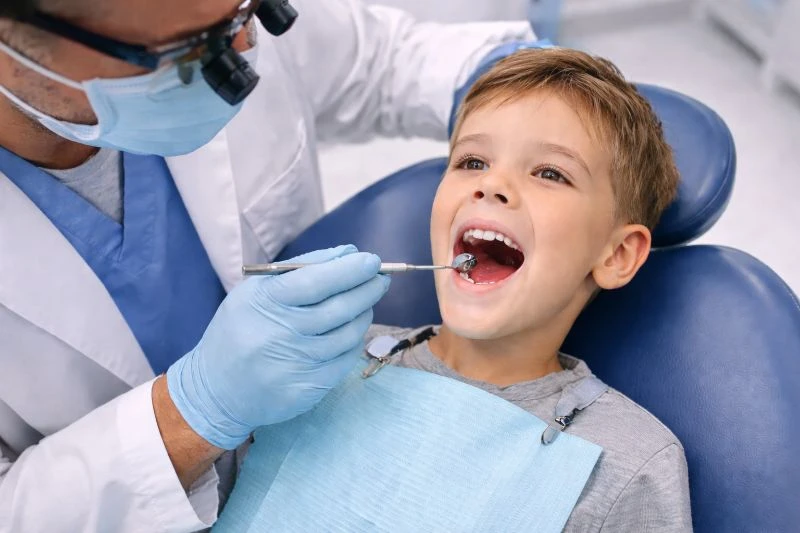
“Every six months” is the dental schedule most people grew up hearing. For many patients, it remains an excellent starting point — but modern preventive dentistry recognizes that oral health is personal.
The right frequency depends on your unique smile: your history with cavities, gum health, medications, lifestyle, and how your teeth and gums respond over time.
The goal is not simply to follow a calendar. The goal is to maintain your healthiest smile with the right level of support.
Why Regular Dental Visits Matter
A dental visit provides more than a professional cleaning. It gives your care team the opportunity to identify changes early, protect your teeth, and help you avoid more complex treatment in the future.
Three important things happen during a professional dental appointment that cannot be fully replaced at home.
Professional Plaque and Tartar Removal
Even with excellent brushing and flossing, some plaque eventually hardens into tartar (calculus). Once hardened, tartar cannot be removed with a toothbrush — it requires professional instruments.
Removing tartar helps protect your gums and prevents the bacterial buildup that contributes to gum inflammation and periodontal disease.
Monitoring Changes Before They Become Problems
Digital X-rays and clinical examinations allow your dentist to identify concerns that may not be visible or noticeable yet, including:
- Cavities between teeth
- Early bone changes around teeth
- Developing infections
- Problems with existing dental work
Early detection usually means simpler, more comfortable, and more predictable treatment.
Supporting Long-Term Oral Health
Regular examinations also include screening of your gums, soft tissues, bite, and overall oral health. These appointments create a baseline so your dental team can recognize changes and guide you proactively.
Is Every Six Months Right for Everyone?
For many adults, a six-month schedule is an excellent foundation.
Patients who typically do well with twice-yearly visits often have:
- Healthy gums
- Low cavity risk
- Consistent home care habits
- No major medical conditions affecting oral health
- Stable dental history
For these patients, routine preventive visits help maintain the results they have worked hard to achieve.
Who May Benefit From More Frequent Visits?
Some patients benefit from a more personalized schedule, often every three to four months.
This may include patients with:
A History of Gum Disease
Periodontal disease requires ongoing maintenance because the bacteria involved can return over time. More frequent professional care helps control inflammation and protect the supporting structures around your teeth.
Increased Cavity Risk
Patients experiencing frequent cavities may benefit from closer monitoring, fluoride support, dietary guidance, and preventive strategies tailored to their needs.
Dry Mouth
Reduced saliva flow can increase cavity risk because saliva naturally protects teeth. Patients with medication-related dry mouth or certain medical conditions may need additional preventive support.
Orthodontic Treatment
Braces and aligners can create areas where plaque collects more easily. Regular monitoring helps maintain healthy teeth and gums throughout treatment.
Certain Medical Conditions
Conditions such as diabetes, immune system changes, or treatments involving chemotherapy or radiation may affect oral health and require closer attention.
Are Annual Visits Enough?
For some low-risk patients with excellent oral health and a consistent history of healthy checkups, annual visits may be appropriate.
The important factor is that this decision should come from an evaluation of your current oral health — not simply choosing a longer interval without guidance.
Preventive dentistry works best when the schedule is based on your needs.
Why Prevention Is More Comfortable Than Waiting
Many dental concerns develop quietly before symptoms appear.
A small cavity may not hurt. Early gum changes may not cause discomfort. A minor issue with an older restoration may not be noticeable until the tooth becomes vulnerable.
Regular visits allow your dental team to address concerns while they are still simpler to manage.
Preventive care often means:
- Smaller treatments
- More predictable outcomes
- Less unexpected discomfort
- Better long-term value
Building Your Personal Dental Care Schedule
At Sanctum, preventive dentistry is built around understanding your smile, your goals, and your lifestyle.
During your visit, we look at:
- Your current oral health
- Your previous dental history
- Your risk factors
- Your home care routine
- Your long-term goals
From there, we create a maintenance schedule designed specifically for you.
The Right Schedule Is the One That Protects Your Smile
For many people, every six months remains an ideal rhythm. Others may need more frequent support, while some stable patients may require fewer visits.
The most important step is having a clear understanding of your current oral health and a plan that keeps you moving forward.
Preventive dentistry is not about reacting to problems — it is about creating the conditions for a healthy, confident smile that lasts.